Arranging furniture in a small bedroom can feel like a puzzle. You want enough storage, a comfortable bed and space to move around, without making the room feel cramped or cluttered.
The good news is that a smaller bedroom doesn't have to mean compromising on style or functionality. With the right furniture and a considered layout, you can make even a compact room feel comfortable, organised and spacious.
Whether you're furnishing a guest room, child's bedroom or your own space, these tips will help you make the most of every square metre.
Start With the Bed
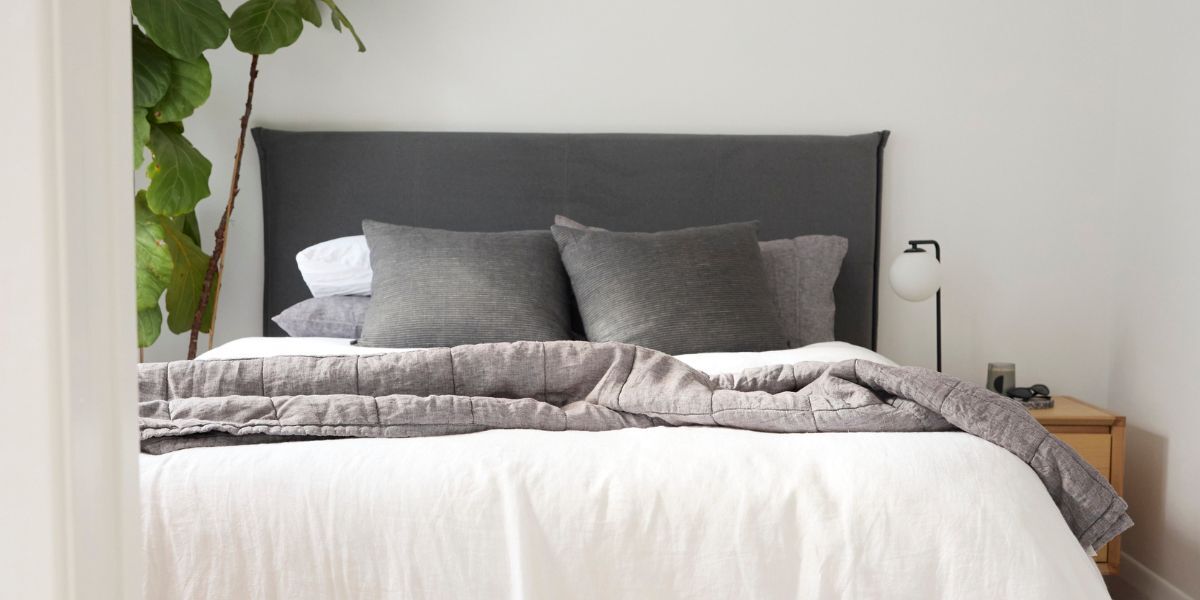
The bed is usually the largest piece of furniture in a bedroom, so it should be the starting point for your layout.
Where possible, position the bed against the longest available wall. This can create a natural focal point while leaving more usable floor space around it.
Before deciding on the final position, measure the room and consider:
- Where the doors and windows are located.
- The direction the bedroom door opens.
- How much space you need to comfortably walk around the bed.
- Where power points and lighting are positioned.
- Whether there is enough room for bedside tables or other essential furniture.
Avoid pushing every piece of furniture against a wall simply because the room is small. Sometimes creating a little breathing room between furniture can actually make the space feel more balanced.
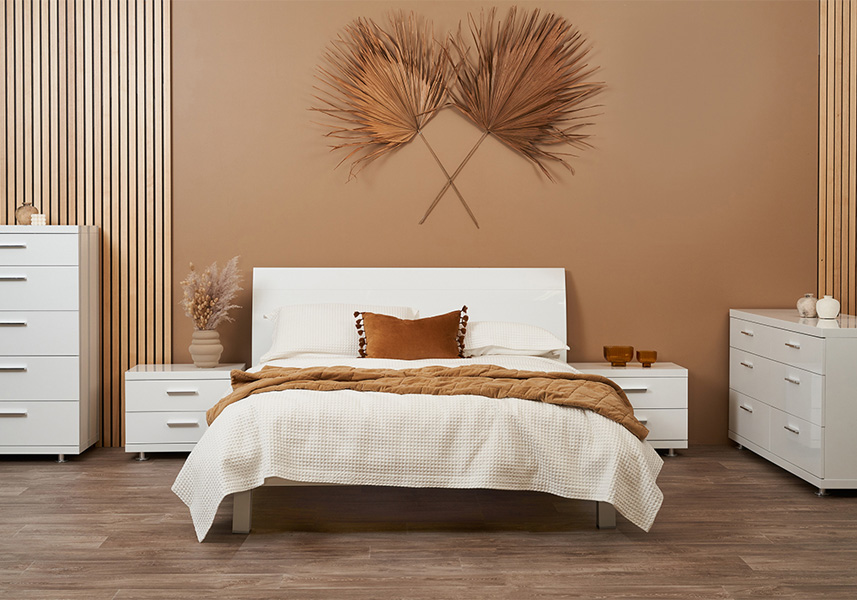
Explore Danske Møbler's bedroom furniture collection for beds, bedside tables, drawers and other pieces that can be combined to suit your space.
Choose Furniture That Fits the Scale of the Room
One of the biggest mistakes when furnishing a small bedroom is choosing furniture that is simply too large.
A large chest of drawers might provide plenty of storage, but if it leaves little room to walk around, the bedroom can quickly feel overcrowded.
Instead, think about the proportions of each piece.
Look for bedroom furniture that provides the storage or functionality you need without taking up unnecessary floor space. A streamlined bedside table, narrower chest of drawers or appropriately sized wardrobe can make a significant difference.
It's also worth measuring furniture before purchasing it. Don't rely on a product photo to judge how large something will feel in your bedroom.
Tip: Use masking tape on the floor to mark out the dimensions of a piece of furniture you're considering. This gives you a quick visual idea of how much floor space it will occupy.
Make the Most of Vertical Space
When floor space is limited, look upwards.
Using the vertical space in your bedroom can give you additional storage without taking valuable floor area away from the room.
Tall drawers, wardrobes and shelving can be particularly useful in smaller bedrooms. Rather than spreading storage across several wide pieces of furniture, consider whether one taller piece could provide the same functionality.
This can also help keep the floor visually clearer, making the room feel more open.
For example, a well-designed chest of drawers can provide substantial clothing storage while maintaining a relatively compact footprint.
Keep Walkways Clear
A small bedroom can quickly feel difficult to navigate if furniture interrupts the main walking routes.
Once your bed and major storage pieces are positioned, think about how you'll move through the room.
Ideally, you should be able to:
- Open the bedroom door comfortably.
- Walk easily around the bed.
- Open drawers and wardrobe doors without blocking the walkway.
- Access windows and curtains.
- Reach bedside tables and lighting easily.
Remember to account for the space needed to open furniture, not just the space it takes up when closed.
A chest of drawers may fit perfectly against a wall, for example, but you'll need additional clearance in front of it to open the drawers comfortably.
Use Bedside Tables Strategically
Bedside tables don't need to be large to be useful.
In a small bedroom, choose a bedside table based on what you actually need to keep beside the bed. If you only need space for a lamp, phone and book, a compact design may be all that's required.
If space is particularly limited, you don't necessarily need identical bedside tables on both sides of the bed either. One well-positioned table can be enough, depending on the room layout.
Browse the bedside tables and bedroom furniture at Danske Møbler to find pieces that can be scaled to suit your room.
Prioritise Storage
Good storage is one of the most important elements of a small bedroom.
Without enough storage, clothes and everyday items can quickly end up on chairs, the floor or other surfaces, making the room feel even smaller.
Rather than adding lots of small storage pieces, consider which furniture can provide the greatest amount of useful storage in the space available.
A quality chest of drawers can be particularly versatile. It can store clothing and accessories while also providing a surface for a lamp, artwork or decorative pieces.
For smaller rooms, prioritise furniture that serves a clear purpose and avoid adding pieces simply because you have an empty corner.
Create a Sense of Space
Furniture isn't the only thing that affects how large a bedroom feels. The way you arrange and style the room can also influence the overall sense of space.
Try to keep the centre of the room as open as possible and avoid filling every available corner.
You can also create a lighter, more open feeling by:
- Keeping surfaces relatively uncluttered.
- Using a consistent colour palette.
- Choosing furniture with clean, simple lines.
- Making the most of natural light.
- Avoiding too many small decorative pieces.
- Keeping frequently used items organised and out of sight.
Quality furniture with timeless proportions can also help prevent a small bedroom from feeling visually busy.
Don't Forget About Future Needs
When arranging a bedroom, think beyond how the room works today.
Your storage needs may change over time, particularly in children's or guest bedrooms. Choosing versatile furniture means you may be able to rearrange the room as those needs change rather than replacing everything.
For example, a well-made chest of drawers isn't limited to one particular room or age group. It can move from a child's bedroom to a teenager's room or even into another area of the home.
This is one reason investing in quality, timeless bedroom furniture can be a better long-term approach than choosing pieces purely because they fit a particular trend.
Make Every Square Metre Count
The key to arranging bedroom furniture in a small room is to prioritise function, proportion and flow.
Start with the bed, choose furniture that fits the scale of the room, make use of vertical storage and keep your main walkways clear. Most importantly, don't feel that you need to fill every available space.
A thoughtfully arranged small bedroom can feel just as comfortable and stylish as a much larger one.
If you're looking to refresh your bedroom, explore the Danske Møbler Bedroom collection for quality beds, bedside tables, drawers and storage designed to work beautifully in a range of spaces.