A well-planned dining room should work for everyday meals, family gatherings, entertaining and the way people move through the home. For New Zealand homes, this often means choosing the right dining table size, matching chairs properly, considering dining suites and creating a space that connects naturally with the kitchen and living area.
Start with How You Use Your Dining Room
Before choosing furniture, it helps to think about how the dining space is used day to day. Some homes need a family-friendly table for daily meals, while others need flexibility for hosting, work, homework or weekend gatherings.
The best dining room setup should suit the number of people seated most often, the available space and whether the table needs to adapt for guests. Thinking about these needs first makes it easier to choose between individual dining tables, separate chairs or a complete dining suite.
Choose the Right Dining Table Size
The right dining table should suit the size and shape of the room, not just the number of people it can seat. Good spacing around the table makes the dining area more comfortable and easier to use.
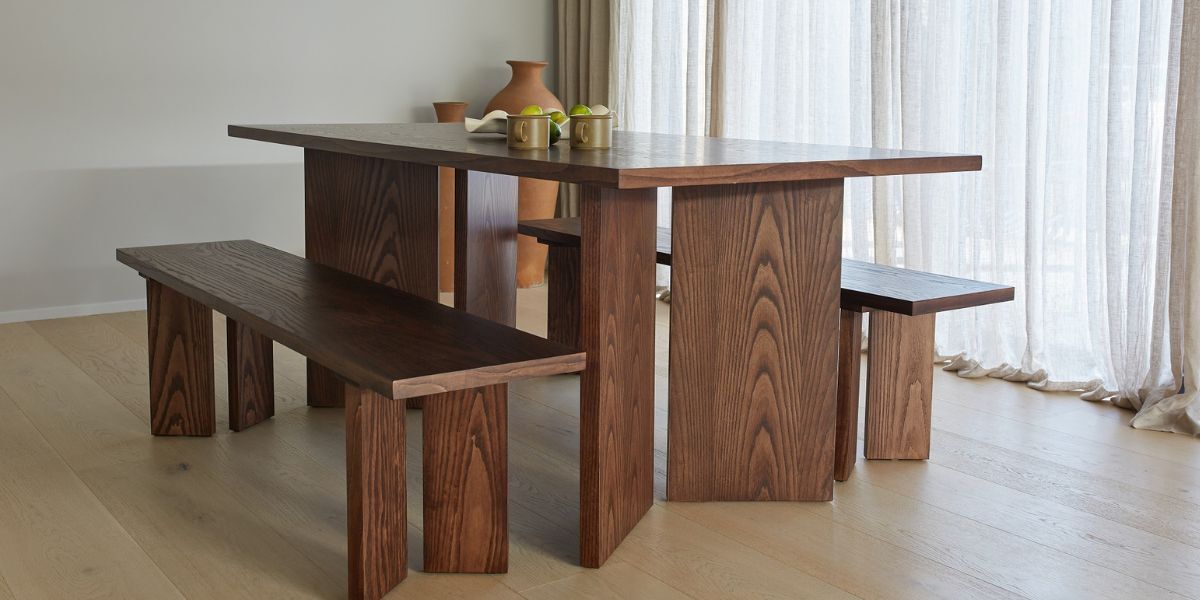
Round dining tables can work well in smaller rooms, while rectangular dining tables are often better suited to larger spaces or open-plan layouts. Extendable dining tables are also a practical option for homes that need everyday functionality with extra space for hosting. You can browse a range of dining tables to compare different sizes, shapes and finishes.
When planning table size, consider how chairs will pull out, how people will move around the room and whether the dining area connects to the kitchen or living room. A table that is slightly too large can make the space feel cramped, while a table that is too small may not support everyday use or entertaining comfortably.
Match Your Dining Chairs to the Table
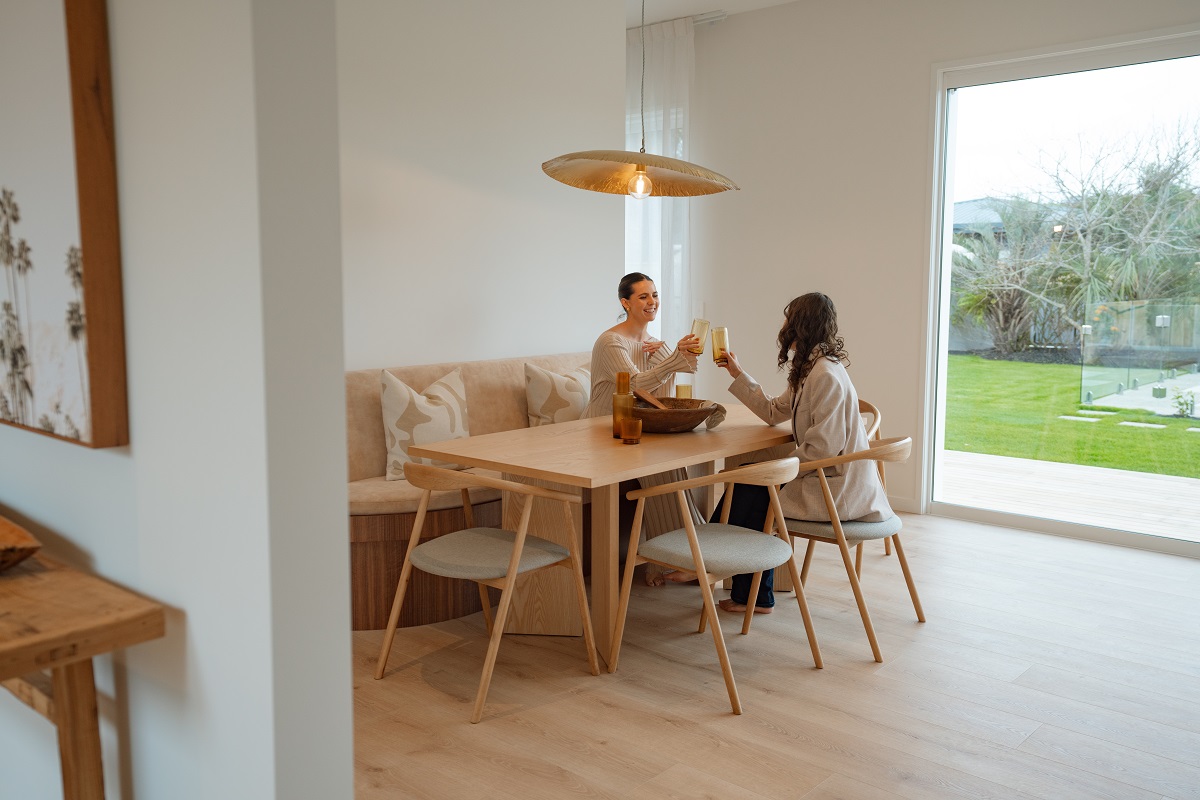
Dining chairs need to work with the table in height, width, comfort and proportion. The right combination makes the space easier to use and more comfortable for longer meals.
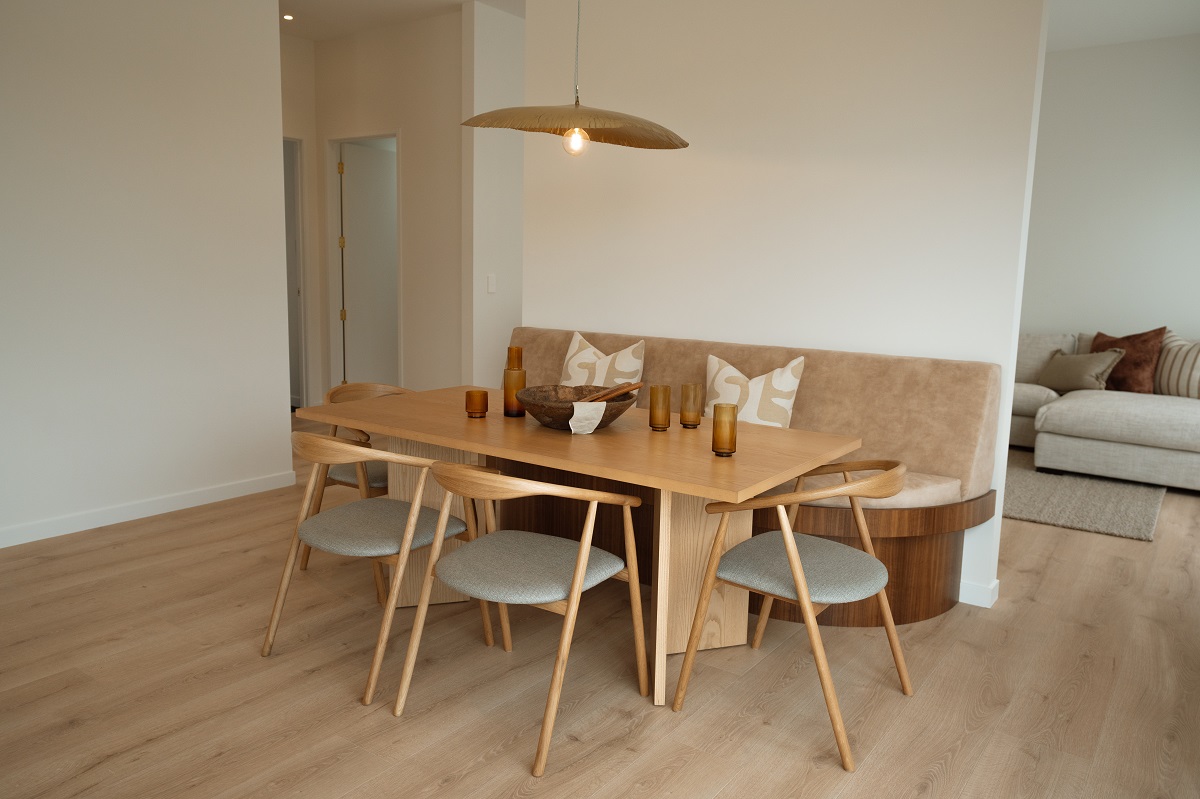
Chair height, legroom, seat width and spacing all affect how the dining setting feels. Upholstered dining chairs can add comfort, while timber dining chairs offer durability and a timeless look. Danske Møbler’s range of dining chairs includes options that can suit both relaxed family dining and more formal dining spaces.
It is also important to think about how many chairs the table can comfortably fit. Chairs should not feel squeezed together, and there should be enough space for each person to sit, move and enjoy the meal comfortably.
Consider a Dining Suite for a Cohesive Look
Dining suites are a simple way to create a balanced and coordinated dining space. They are especially useful for customers who want a complete setting with proportions and finishes already considered.
A dining suite can help create a consistent look in open-plan homes, match the scale of the room and make it easier to choose a table and chairs that work well together. For a more complete setting, you can explore dining suites designed to bring tables and chairs together in a considered way.
Dining suites can be especially helpful when the dining area is visible from the kitchen or living room. A coordinated setting can help the space feel more settled, connected and visually balanced.
Plan for Hosting and Winter Entertaining
A dining room should work for everyday meals as well as hosting friends and family. This is especially relevant heading into the cooler months, when more entertaining happens indoors.
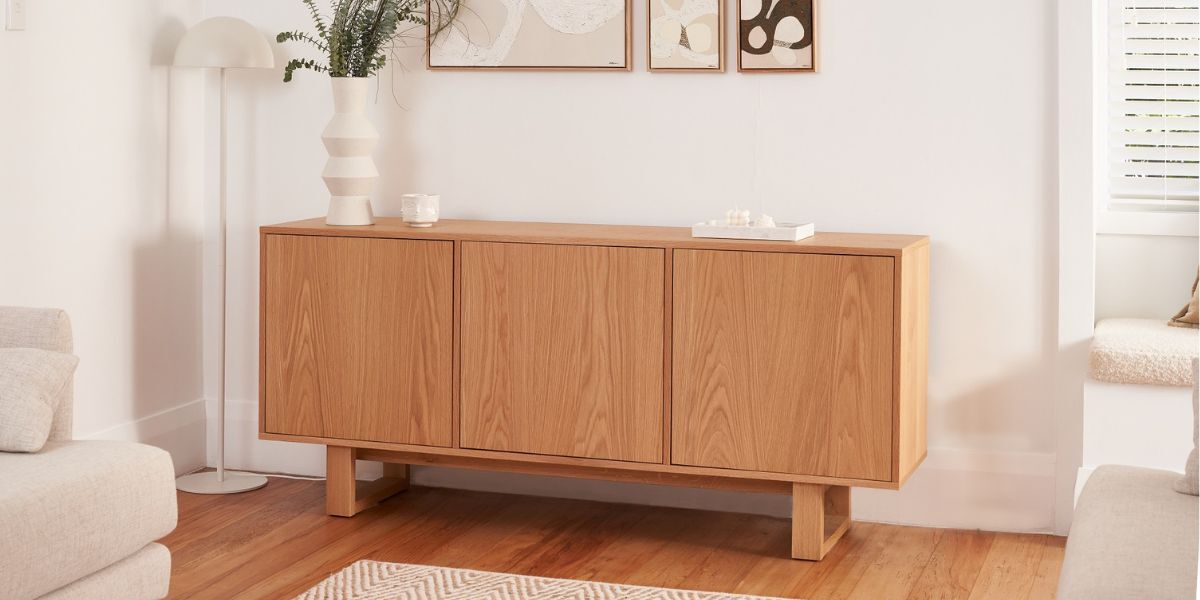
Extendable dining tables, comfortable chairs, sideboards, cabinets and clear walkways can all help create a dining area that feels relaxed and practical rather than cramped.
For homes that host often, flexibility is important. An extendable table can provide extra space when needed, while comfortable chairs make longer dinners more enjoyable. Storage pieces can also help keep servingware, table linen and dining essentials close at hand without cluttering the room.
Mix Dining Tables and Chairs with Confidence
Mixing dining tables and chairs can create a more personal and layered dining room. The key is to keep one or two elements consistent so the space still feels considered.
Timber tones, upholstery, chair shape, colour and material can all be used to create balance. Feature chairs at the ends of the table can also add interest without making the setting feel mismatched.
If mixing pieces, start with the dining table as the anchor. From there, choose chairs that suit the table height, finish and overall style of the room. This approach can work well for New Zealand homes where the dining area connects with other furniture in the living space.
Choose Materials That Suit New Zealand Homes
Dining furniture needs to suit both the look of the home and the way the space is used. Material choice affects durability, comfort, maintenance and the overall feel of the room.
Solid timber dining tables offer warmth and longevity, while veneer and timber-look finishes can be practical for family use. Upholstered dining chairs add comfort, and easy-clean surfaces are useful for children and busy households.
For a family dining room, durability and maintenance may be the main priorities. For a formal dining space, finish, detail and comfort may matter more. Choosing the right materials helps the dining room feel practical, inviting and suited to everyday New Zealand living.
Create Flow Between Dining and Living Areas
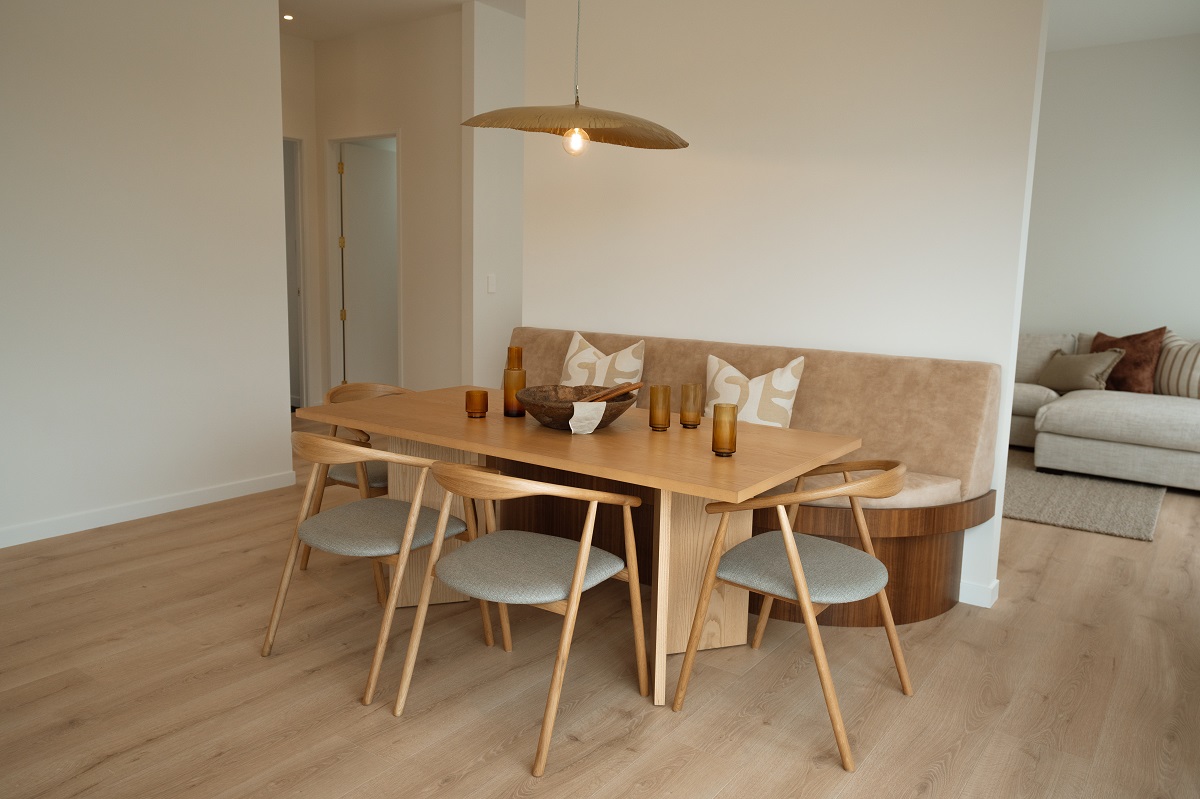
Many New Zealand homes have open-plan kitchen, dining and living areas, so dining furniture needs to feel connected to the wider space.
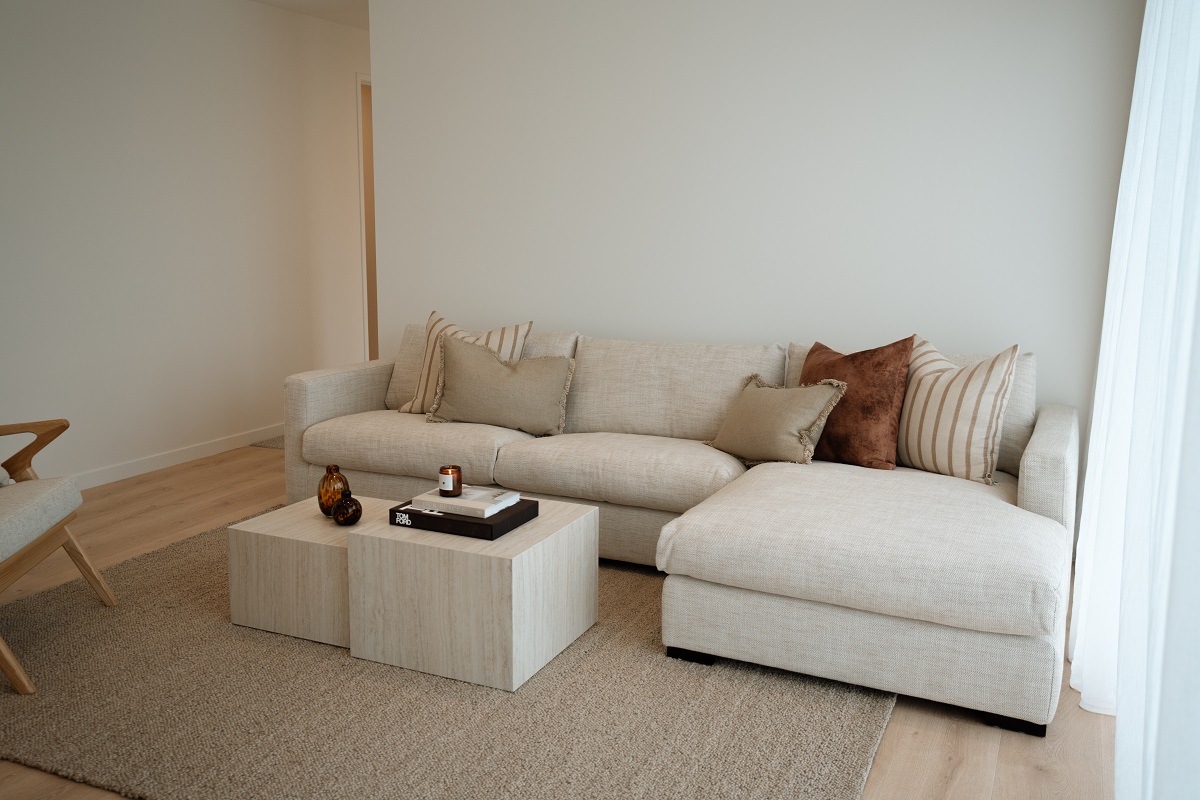
Dining tables and chairs can be aligned with nearby sofas, sideboards and coffee tables to create a consistent look. Rugs, lighting and careful furniture scale can also help define the dining zone while keeping the space open and easy to move through.
A dining area should feel connected, but still have its own purpose. Using furniture scale, lighting and placement carefully can help create a clear dining zone without closing off the room.
What Size Dining Table Do I Need?
The right dining table size depends on the room, the number of people seated most often and how much space is needed around the table. As a general rule, the table should allow chairs to pull out comfortably and leave clear walkways around the dining area.
For flexible homes, an extendable dining table can provide everyday practicality with extra space for hosting. Customers can also ask about Danske Møbler’s custom dining table service when they need a size, finish or configuration that better suits their space.
Explore Dining Tables, Dining Chairs and Dining Suites at Danske Møbler
Danske Møbler offers dining tables, dining chairs, dining suites and custom dining table options for a wide range of New Zealand homes. Customers can browse dining tables, explore dining chairs, view complete dining suites, or find a showroom to get help choosing the right size, finish and configuration for their space.
FAQs
How much space do I need around a dining table?
Allow enough room for dining chairs to pull out comfortably and for people to move around the table. This is especially important in open-plan New Zealand homes where dining areas often connect to kitchens and living rooms.
Should I choose a dining suite or mix my own table and chairs?
A dining suite is ideal for a coordinated look with balanced proportions. Mixing a dining table and chairs separately gives more flexibility and can create a more personal, layered style.
What dining table shape is best for a small room?
Round dining tables often work well in smaller rooms because they soften the space and make conversation easier. Rectangular tables are better suited to larger rooms or open-plan dining areas.
What height should dining chairs be?
Dining chairs should sit comfortably under the tabletop while leaving enough legroom. The seat height, chair width and table base all need to work together.
Are extendable dining tables worth it?
Extendable dining tables are a practical option for New Zealand homes where everyday dining needs are different from weekend hosting, family gatherings or winter entertaining.